
We all know the drill — signing up for a new service or product and being asked to provide an email address. It is such a common request that we often do not think twice about it. However, did you know that giving out your email address indiscriminately can be dangerous?
Your email address can serve as a digital breadcrumb for perpetrators or advertisers to track your activity across various sites and send you targeted advertisements — some of which could turn out to be malicious.
The dangers of giving out your email
Your email address contains a treasure trove of information about you. When you share it with an organisation, you are potentially entrusting them with your personal data, including your name, address, phone number, and other identifying information.
This raise concerns over data privacy as it exposes you to the risk of becoming a victim of cyber-attacks. According to Surfshark, in the first quarter of 2022 alone, over 18 million email accounts were breached worldwide.
Perpetrators can use your personal details to invade your digital privacy and commit phishing scams, identity theft, or even sell it on the dark web, resulting in severe financial losses and damage to your reputation. As cyberattacks intensify globally, it is crucial to remain vigilant to stay safe in the digital world.
Did you know… Based on a research by Blackcloak, online data brokers maintain more than three personal email addresses for each of their executive-level customers, and 95% of the executives’ profiles contained personal information about their family and relatives.
However, data brokers themselves are susceptible to cyberattacks. In 2021, data broker LimeLeads was hacked, resulting in the exposure of approximately 50 million business contacts on the dark web. Such data leaks exemplify the risks of mass scraping conducted by the data broker market.
How new methods of user tracking may infringe your data privacy
New ad targeting techniques have emerged to bypass traditional methods of user tracking, such as cookies and invisible trackers. Below are some examples of common tracking techniques:
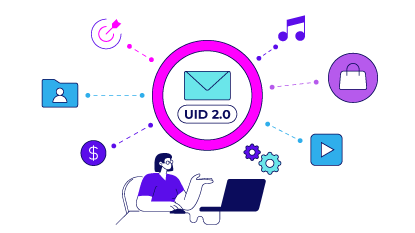
The Unified ID 2.0 (UID 2.0) converts your email address into a unique token that travels with your account across various platforms. This enables advertisers to show you ads based on your previous activity. For example, if you shopped on a sneaker website that uses UID 2.0 and you keyed in your email address, when you log in to a streaming app that also uses UID 2.0 thereafter, the two accounts can be linked based on the token.
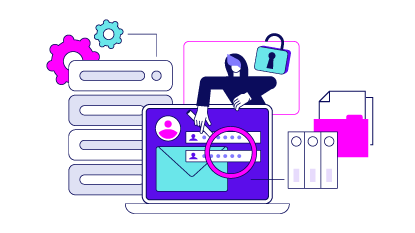
Websites and apps can track your activity through your email address by uploading it to an advertising broker’s database which contains detailed profiles of users’ interests based on their browsing activity. This raises privacy concerns as users may not be aware of the extent of their data being collected and used by advertisers or third parties. The data could possibly be used for malicious purposes such as identity theft or financial fraud if it falls into the wrong hands.
What precautionary measure should you adopt
To avoid being a prime target for perpetrators, here are a few simple steps to keep your online identity secure:

Do not submit company email address for non-business usage

For personal accounts create multiple email addresses for different services

Utilise email-masking tools (if available)

Opt out of UID 2.0 ad targeting via the Transparent Advertising Portal
Think about the potential risks before you hit that "submit" button. That’s how you can stay safe in the digital world!
